
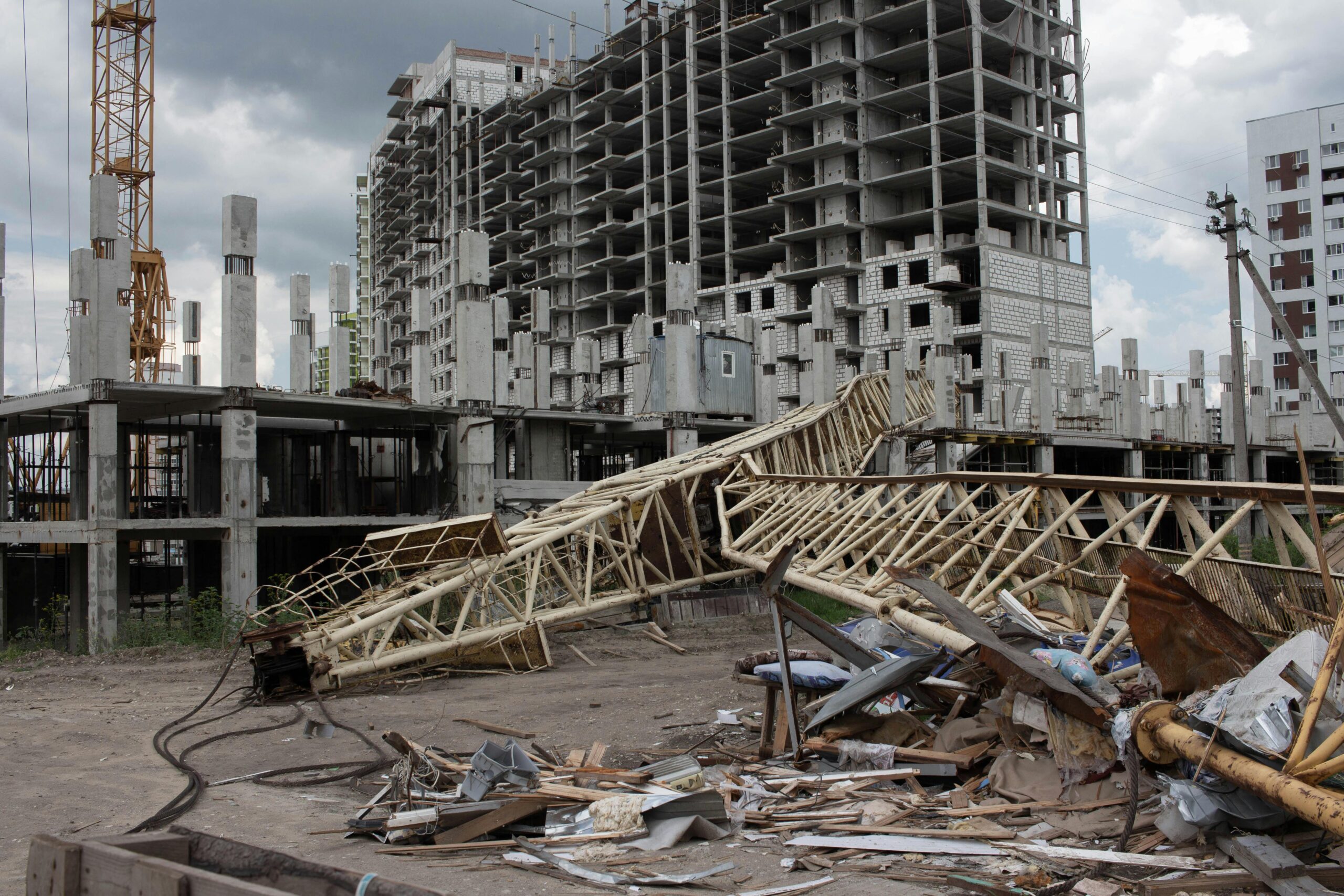
A tragic building collapse near Saket Metro Station in Delhi has shocked students, parents, and the medical education community across India. The incident, which took place in the Saidulajab area of South Delhi, reportedly claimed multiple lives and injured several people, including students preparing for competitive medical examinations such as FMGE and NEET PG.
The collapse has once again raised serious concerns about student safety in crowded coaching hubs where thousands of aspirants live and study every year. Rescue operations, emotional scenes at hospitals, and ongoing investigations have made the Saket building collapse one of the most discussed incidents among medical aspirants in 2026.
What Happened in the Saket Collapse Incident?
According to reports, a multi-storey commercial building collapsed suddenly in the Saidulajab locality near Saket Metro Station on May 31, 2026. The area is known for coaching centers, libraries, hostels, cafes, and PG accommodations frequently used by students preparing for medical and competitive examinations.
Emergency rescue teams, including the National Disaster Response Force (NDRF), Delhi Police, and fire department officials, quickly reached the location and began search-and-rescue operations. Rescue workers spent several hours removing debris and searching for trapped individuals.
Reports indicate that multiple people lost their lives while several others were rescued with injuries. The incident created panic throughout the nearby student community as many aspirants were studying in libraries or coaching centers close to the building during the collapse.
FMGE Students Reportedly Among Victims
The tragedy became especially emotional for the medical student community after reports suggested that some of the victims were FMGE aspirants preparing for upcoming examinations.
FMGE, or the Foreign Medical Graduate Examination, is an important licensing examination for Indian students who complete medical education abroad and wish to practice medicine in India. Many FMGE students stay in Delhi for coaching, mock tests, and exam preparation because the city has become a major center for medical coaching institutes.
Students living near Saket and nearby South Delhi coaching areas often spend long hours studying in libraries, rented accommodations, and coaching centers. The collapse has therefore deeply affected aspirants who see themselves reflected in the lives of the victims.
Emotional Impact on Students
The incident has triggered fear, sadness, and anxiety among students living in coaching hubs across Delhi. Many aspirants already face intense pressure due to highly competitive examinations, long study hours, financial stress, and uncertainty about their careers.
After the collapse, students expressed concerns regarding:
- Safety of old commercial buildings
- Overcrowded coaching areas
- Illegal constructions
- Poor emergency infrastructure
- Unsafe hostel and PG accommodations
Social media platforms quickly filled with emotional reactions, condolence messages, and discussions about the conditions in which many students live while preparing for examinations.
For many parents, the incident has also increased worries about sending children to major coaching cities where infrastructure and safety standards may not always be properly monitored.
Rescue Operations and Investigation
Following the collapse, authorities launched large-scale rescue operations to save trapped individuals. Emergency teams worked throughout the night using heavy equipment and manual rescue techniques to remove debris carefully.
Hospitals nearby were placed on alert to provide treatment for injured victims. Police officials also secured the area to prevent further danger and assist rescue teams.
Authorities later began investigating possible causes behind the collapse. Initial reports suggested that illegal construction, structural weakness, or negligence may have contributed to the disaster.
An FIR was reportedly registered, and officials stated that building safety records and permissions would be examined carefully.
The tragedy has intensified demands for stricter action against unauthorized construction in crowded urban areas.
Student Safety in Coaching Hubs
Delhi, Kota, Hyderabad, and several other cities have become major educational hubs for students preparing for NEET, FMGE, UPSC, JEE, and other competitive examinations.
However, rapid commercialization in these areas often leads to:
- Congested buildings
- Poor safety checks
- Overcrowded accommodations
- Weak infrastructure
- Limited emergency exits
Students frequently choose accommodations based on affordability rather than safety because medical coaching itself already creates major financial pressure on families.
The Saket incident has therefore started broader conversations about whether enough attention is being given to student living conditions and building safety in educational hubs.
Mental Health Concerns Among Aspirants
Medical aspirants already face intense emotional stress due to highly competitive examinations. Incidents like the Saket collapse can increase feelings of fear, uncertainty, and emotional exhaustion among students.
Many students preparing for FMGE or NEET PG:
- Live away from family
- Study under constant pressure
- Face career uncertainty
- Spend long hours in isolated routines
A traumatic incident in a nearby coaching area can emotionally affect even those who were not directly involved.
Mental health experts often emphasize the importance of emotional support systems, balanced routines, and safe living environments for students preparing for competitive exams.
Reactions Across the Medical Community
The collapse has drawn reactions from:
- Medical students
- Coaching institutes
- Education communities
- Social media groups
- Student organizations
Many students expressed grief for the victims and demanded stronger safety regulations for buildings operating near coaching hubs.
Several discussions online also focused on the difficult realities students face while preparing for medical licensing and entrance examinations in major cities.
The incident has become more than just a local tragedy—it has become a reminder of the pressures and risks students sometimes experience during their academic journeys.
Importance of Infrastructure Accountability
Urban safety experts and citizens have emphasized that tragedies like this highlight the importance of proper infrastructure monitoring and accountability.
Authorities are now facing pressure to:
- Conduct structural safety inspections
- Review illegal constructions
- Improve emergency preparedness
- Ensure compliance with safety standards
- Monitor commercial buildings near educational hubs
Preventive measures and stricter enforcement may help reduce the risk of similar incidents in the future.
Standing Together During Difficult Times
The Saket building collapse has deeply affected students across India, especially those connected to the FMGE and medical preparation community.
During moments like these, emotional support and unity become important. Students, families, and institutions all play a role in supporting one another through difficult situations.
While investigations continue, the tragedy serves as a painful reminder that student welfare includes not only academic success but also physical safety, emotional well-being, and secure living conditions.
Conclusion
The Saket Building Collapse 2026 has left a deep emotional impact on Delhi’s FMGE and medical student community. What began as an ordinary day in one of Delhi’s busiest coaching areas turned into a heartbreaking tragedy that claimed lives and shocked thousands of students across the country.
As rescue efforts, investigations, and safety discussions continue, the incident has also raised important questions about infrastructure safety, student accommodations, and accountability in educational hubs.
For students preparing for difficult medical examinations, safety and well-being are just as important as academic preparation. The tragedy has reminded the nation that behind every competitive exam aspirant is a young individual working hard to build a future—and that future deserves protection, support, and safe environments.Saket Building Collapse 2026: Tragedy Hits FMGE Students in Delhi
A tragic building collapse near Saket Metro Station in Delhi has shocked students, parents, and the medical education community across India. The incident, which took place in the Saidulajab area of South Delhi, reportedly claimed multiple lives and injured several people, including students preparing for competitive medical examinations such as FMGE and NEET PG.
The collapse has once again raised serious concerns about student safety in crowded coaching hubs where thousands of aspirants live and study every year. Rescue operations, emotional scenes at hospitals, and ongoing investigations have made the Saket building collapse one of the most discussed incidents among medical aspirants in 2026.
What Happened in the Saket Collapse Incident?
According to reports, a multi-storey commercial building collapsed suddenly in the Saidulajab locality near Saket Metro Station on May 31, 2026. The area is known for coaching centers, libraries, hostels, cafes, and PG accommodations frequently used by students preparing for medical and competitive examinations.
Emergency rescue teams, including the National Disaster Response Force (NDRF), Delhi Police, and fire department officials, quickly reached the location and began search-and-rescue operations. Rescue workers spent several hours removing debris and searching for trapped individuals.
Reports indicate that multiple people lost their lives while several others were rescued with injuries. The incident created panic throughout the nearby student community as many aspirants were studying in libraries or coaching centers close to the building during the collapse.
FMGE Students Reportedly Among Victims
The tragedy became especially emotional for the medical student community after reports suggested that some of the victims were FMGE aspirants preparing for upcoming examinations.
FMGE, or the Foreign Medical Graduate Examination, is an important licensing examination for Indian students who complete medical education abroad and wish to practice medicine in India. Many FMGE students stay in Delhi for coaching, mock tests, and exam preparation because the city has become a major center for medical coaching institutes.
Students living near Saket and nearby South Delhi coaching areas often spend long hours studying in libraries, rented accommodations, and coaching centers. The collapse has therefore deeply affected aspirants who see themselves reflected in the lives of the victims.
Emotional Impact on Students
The incident has triggered fear, sadness, and anxiety among students living in coaching hubs across Delhi. Many aspirants already face intense pressure due to highly competitive examinations, long study hours, financial stress, and uncertainty about their careers.
After the collapse, students expressed concerns regarding:
- Safety of old commercial buildings
- Overcrowded coaching areas
- Illegal constructions
- Poor emergency infrastructure
- Unsafe hostel and PG accommodations
Social media platforms quickly filled with emotional reactions, condolence messages, and discussions about the conditions in which many students live while preparing for examinations.
For many parents, the incident has also increased worries about sending children to major coaching cities where infrastructure and safety standards may not always be properly monitored.
Rescue Operations and Investigation
Following the collapse, authorities launched large-scale rescue operations to save trapped individuals. Emergency teams worked throughout the night using heavy equipment and manual rescue techniques to remove debris carefully.
Hospitals nearby were placed on alert to provide treatment for injured victims. Police officials also secured the area to prevent further danger and assist rescue teams.
Authorities later began investigating possible causes behind the collapse. Initial reports suggested that illegal construction, structural weakness, or negligence may have contributed to the disaster.
An FIR was reportedly registered, and officials stated that building safety records and permissions would be examined carefully.
The tragedy has intensified demands for stricter action against unauthorized construction in crowded urban areas.
Student Safety in Coaching Hubs
Delhi, Kota, Hyderabad, and several other cities have become major educational hubs for students preparing for NEET, FMGE, UPSC, JEE, and other competitive examinations.
However, rapid commercialization in these areas often leads to:
- Congested buildings
- Poor safety checks
- Overcrowded accommodations
- Weak infrastructure
- Limited emergency exits
Students frequently choose accommodations based on affordability rather than safety because medical coaching itself already creates major financial pressure on families.
The Saket incident has therefore started broader conversations about whether enough attention is being given to student living conditions and building safety in educational hubs.
Mental Health Concerns Among Aspirants
Medical aspirants already face intense emotional stress due to highly competitive examinations. Incidents like the Saket collapse can increase feelings of fear, uncertainty, and emotional exhaustion among students.
Many students preparing for FMGE or NEET PG:
- Live away from family
- Study under constant pressure
- Face career uncertainty
- Spend long hours in isolated routines
A traumatic incident in a nearby coaching area can emotionally affect even those who were not directly involved.
Mental health experts often emphasize the importance of emotional support systems, balanced routines, and safe living environments for students preparing for competitive exams.
Reactions Across the Medical Community
The collapse has drawn reactions from:
- Medical students
- Coaching institutes
- Education communities
- Social media groups
- Student organizations
Many students expressed grief for the victims and demanded stronger safety regulations for buildings operating near coaching hubs.
Several discussions online also focused on the difficult realities students face while preparing for medical licensing and entrance examinations in major cities.
The incident has become more than just a local tragedy—it has become a reminder of the pressures and risks students sometimes experience during their academic journeys.
Importance of Infrastructure Accountability
Urban safety experts and citizens have emphasized that tragedies like this highlight the importance of proper infrastructure monitoring and accountability.
Authorities are now facing pressure to:
- Conduct structural safety inspections
- Review illegal constructions
- Improve emergency preparedness
- Ensure compliance with safety standards
- Monitor commercial buildings near educational hubs
Preventive measures and stricter enforcement may help reduce the risk of similar incidents in the future.
Standing Together During Difficult Times
The Saket building collapse has deeply affected students across India, especially those connected to the FMGE and medical preparation community.
During moments like these, emotional support and unity become important. Students, families, and institutions all play a role in supporting one another through difficult situations.
While investigations continue, the tragedy serves as a painful reminder that student welfare includes not only academic success but also physical safety, emotional well-being, and secure living conditions.
Conclusion
The Saket Building Collapse 2026 has left a deep emotional impact on Delhi’s FMGE and medical student community. What began as an ordinary day in one of Delhi’s busiest coaching areas turned into a heartbreaking tragedy that claimed lives and shocked thousands of students across the country.
As rescue efforts, investigations, and safety discussions continue, the incident has also raised important questions about infrastructure safety, student accommodations, and accountability in educational hubs.
For students preparing for difficult medical examinations, safety and well-being are just as important as academic preparation. The tragedy has reminded the nation that behind every competitive exam aspirant is a young individual working hard to build a future—and that future deserves protection, support, and safe environments.