
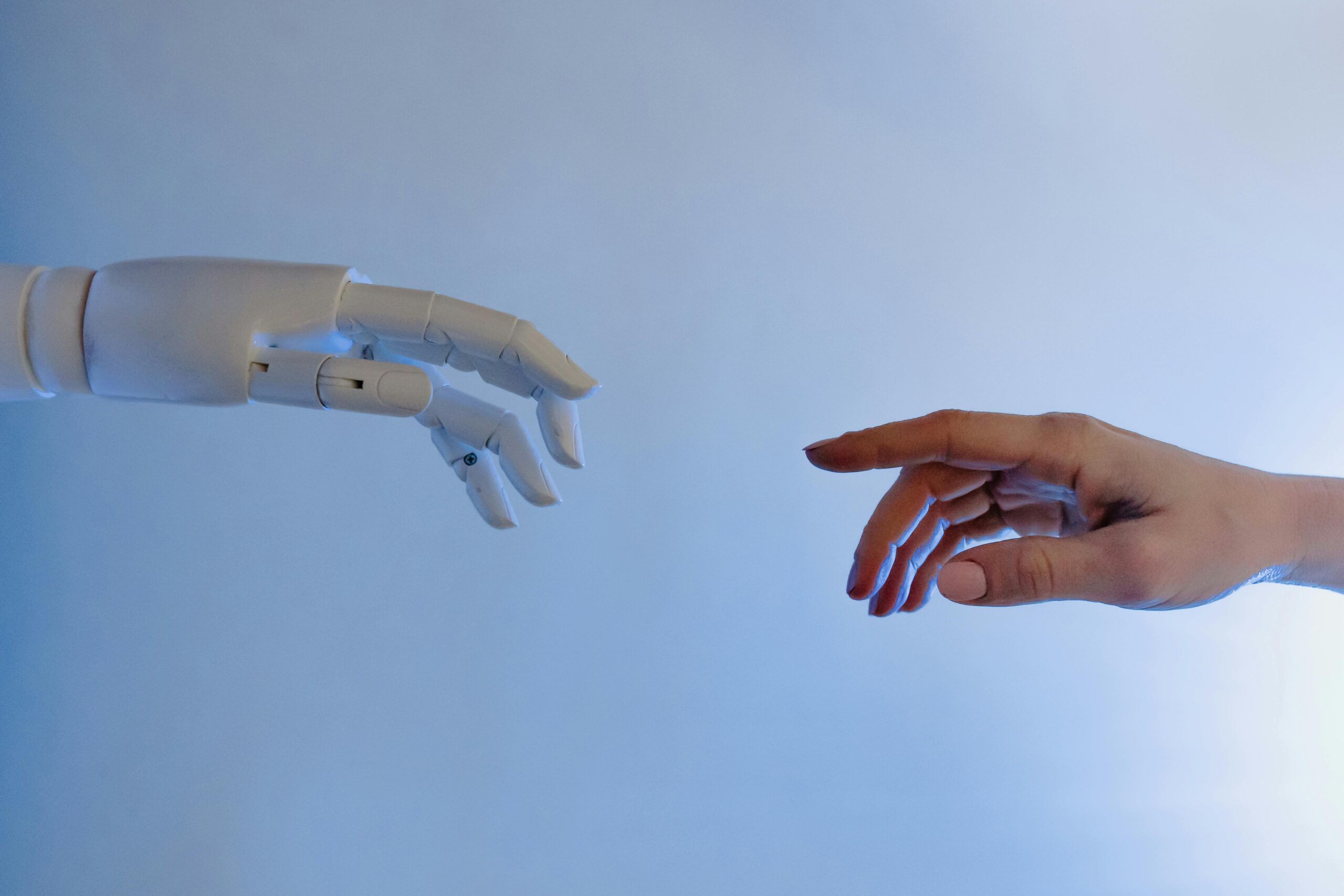
Next-Gen Healthcare with AI
Artificial intelligence (AI) is rapidly reshaping the global healthcare ecosystem, marking the beginning of a transformative era defined by precision, efficiency, and enhanced patient outcomes. As healthcare systems worldwide face increasing pressure from rising patient volumes, workforce shortages, and complex disease patterns, AI is emerging as a powerful ally—augmenting clinical capabilities, streamlining operations, and enabling data-driven decision-making at an unprecedented scale.
From diagnostics and radiology to personalized treatment plans and predictive analytics, next-generation healthcare is being built on intelligent systems that not only support clinicians but also empower patients. The integration of AI into everyday medical practice signals a shift from reactive care to proactive, preventive, and highly personalized healthcare delivery.
Revolutionizing Diagnostics
One of the most impactful applications of AI lies in medical diagnostics. Traditionally, diagnosis has relied heavily on clinician expertise, experience, and time-intensive analysis. Today, AI-powered systems are enhancing this process by analyzing vast amounts of structured and unstructured data—including medical images, pathology slides, genomic data, and electronic health records.
Machine learning algorithms can identify patterns that may not be immediately visible to the human eye. For instance, AI models have demonstrated high accuracy in detecting conditions such as cancer, cardiovascular diseases, and neurological disorders at early stages. Early detection is critical, as it significantly improves treatment success rates and reduces healthcare costs.
Transforming Radiology and Medical Imaging
Radiology has become a cornerstone of AI integration in healthcare. With the exponential growth in imaging data, radiologists are often burdened with heavy workloads. AI-powered imaging solutions are helping to alleviate this pressure by automating routine tasks and improving diagnostic workflows.
Deep learning algorithms can rapidly analyze X-rays, CT scans, MRIs, and ultrasounds, detecting anomalies such as tumors, fractures, hemorrhages, and infections. AI systems can prioritize urgent cases, ensuring that critical findings are addressed promptly. This triaging capability is particularly valuable in emergency settings, where time-sensitive decisions can save lives.
Furthermore, AI enhances image quality through noise reduction and resolution improvement, enabling clearer visualization of anatomical structures. Advanced tools can also generate automated reports, highlight areas of concern, and provide quantitative measurements, supporting radiologists in making informed decisions.
The synergy between radiologists and AI fosters a collaborative environment where technology enhances human expertise rather than replacing it. This collaboration leads to faster turnaround times, improved diagnostic accuracy, and better patient care.
Enhancing Clinical Decision-Making
Clinical decision-making is becoming increasingly complex due to the vast amount of medical data available. AI-driven clinical decision support systems (CDSS) are addressing this challenge by synthesizing data from multiple sources and delivering actionable insights at the point of care.
These systems integrate patient records, clinical guidelines, research studies, and real-world evidence to assist physicians in diagnosing conditions, selecting treatments, and predicting outcomes. Predictive analytics can identify patients at high risk of complications, hospital readmissions, or disease progression, enabling early intervention.
For example, AI can help clinicians determine the likelihood of sepsis in hospitalized patients, recommend personalized treatment plans for chronic diseases, and optimize medication dosing. By providing evidence-based recommendations, AI reduces uncertainty and supports more confident decision-making.
Importantly, these tools are designed to complement—not replace—clinical judgment. Physicians remain at the center of care, using AI as an intelligent assistant to enhance their expertise.
Personalized and Precision Medicine
AI is playing a pivotal role in advancing personalized medicine, where treatments are tailored to individual patient characteristics. By analyzing genetic data, lifestyle factors, environmental influences, and treatment histories, AI can identify the most effective therapies for each patient.
In oncology, for instance, AI helps match patients with targeted therapies based on their genetic profiles. This approach improves treatment efficacy and minimizes adverse effects. Similarly, AI-driven pharmacogenomics is enabling more precise medication selection and dosing, reducing the risk of drug interactions and side effects.
Wearable devices and remote monitoring technologies further enhance personalized care by continuously tracking vital signs such as heart rate, blood pressure, glucose levels, and physical activity. AI analyzes this real-time data to detect anomalies, provide health insights, and alert both patients and clinicians to potential issues.
This shift toward personalized and preventive care not only improves patient outcomes but also reduces the burden on healthcare systems by preventing disease progression and hospitalizations.
The Future of AI-Driven Healthcare
The future of healthcare is undeniably intertwined with AI innovation. Emerging technologies such as generative AI, digital twins, and advanced robotics are poised to further transform the industry. Smart hospitals equipped with interconnected systems will enable seamless data sharing, real-time monitoring, and coordinated care delivery.
Telemedicine, powered by AI, will continue to expand access to healthcare, particularly in remote and underserved regions. Virtual health assistants and AI-driven diagnostics will bring quality care closer to patients, reducing geographical barriers.
Moreover, continuous advancements in AI research will unlock new possibilities in drug discovery, clinical trials, and disease modeling. These innovations will accelerate the development of new therapies and improve our understanding of complex diseases.