
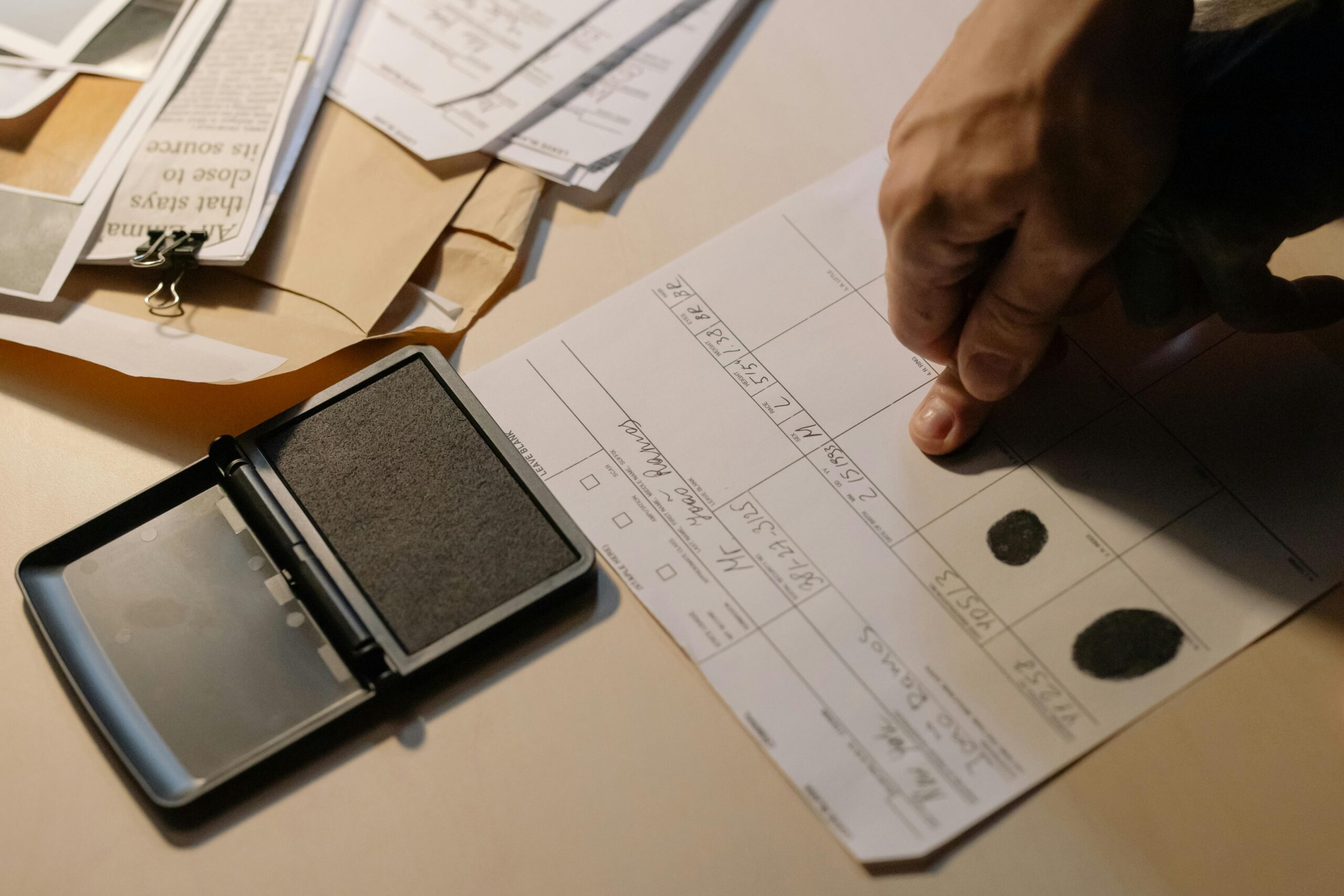
As NEET (UG) 2026 draws closer, the National Testing Agency has released an important clarification regarding biometric verification issues at examination centers. This update comes as a major relief for thousands of students who were worried about potential technical or verification failures on exam day. With the increasing use of biometric systems to ensure transparency and prevent impersonation, many candidates had concerns about what would happen if their fingerprint or identity verification did not work properly. Addressing these concerns, the NTA has clearly stated that even if biometric verification fails due to certain valid reasons, candidates will still be allowed to enter the examination center and appear for the exam.
Biometric verification is an essential part of the NEET examination process. It is used to confirm the identity of candidates and ensure that no unfair practices, such as impersonation, take place. However, like any technology-based system, biometric verification is not completely free from errors. Recognizing this, the NTA has outlined several situations where biometric verification might fail. These include device hardware issues at the exam center, poor biometric quality such as unclear fingerprints, connectivity problems related to UIDAI systems, and physical conditions that may affect fingerprint scanning. By acknowledging these possibilities, the NTA has shown a practical and student-friendly approach.
The most important highlight of this advisory is that candidates facing such biometric issues will not be denied entry. Instead, they will be allowed to proceed with the examination process after necessary verification by the center authorities. This ensures that no student loses their chance to appear for NEET due to technical problems beyond their control. The process generally involves manual verification and documentation under the supervision of the exam center superintendent. In some cases, candidates may be required to complete a written undertaking confirming their identity and agreeing to comply with the examination rules.
Another crucial point mentioned in the advisory is that candidates will not be disturbed during exam hours for biometric verification. The exam will be conducted from 2:00 PM to 5:00 PM, and once a student enters the examination hall and starts writing the paper, no interruptions related to biometric processes will be made. This is especially important because even a small disturbance during the exam can affect a student’s concentration and performance. For PwD/PwBD candidates, additional time is provided, extending up to 6:00 PM, and the same rule applies to them as well—no disruption during exam hours.
This update reflects the efforts of the National Testing Agency to balance strict security measures with student convenience. Over the years, NEET has become one of the largest and most competitive exams in India, with millions of candidates appearing annually. Ensuring fairness while also handling technical challenges is a complex task. By allowing candidates to appear despite biometric issues, NTA has ensured that genuine students are not penalized for factors beyond their control.
Students are still advised to take certain precautions to avoid unnecessary complications. Before the exam, candidates should ensure that their hands are clean and free from substances like ink, mehndi, or oil, which can interfere with fingerprint scanning. It is also important to carry all required documents, including the admit card and valid ID proof, to facilitate smooth verification. Being prepared can reduce the chances of facing delays or additional checks at the exam center.
The advisory also indirectly highlights the increasing role of technology in competitive exams. While biometric systems enhance security, they also introduce new challenges that need to be managed effectively. The NTA’s decision to allow flexibility in case of technical failures shows a balanced approach, ensuring that the integrity of the exam is maintained without causing unnecessary stress to students.
For aspirants, this update should bring a sense of relief and confidence. Instead of worrying about technical glitches, students can now focus entirely on their preparation and performance. NEET is a crucial exam that determines admission to medical courses across India, and every student deserves a fair chance to prove their ability. The assurance that biometric issues will not prevent them from appearing in the exam removes a major source of anxiety.
In conclusion, the latest clarification by the National Testing Agency regarding biometric verification issues is a student-friendly and practical decision. By allowing candidates to enter and appear for the exam even if biometric verification fails due to valid reasons, NTA has ensured fairness and reduced unnecessary stress. Students should remain calm, follow all guidelines, and prepare thoroughly for the exam. With proper planning and awareness, they can avoid last-minute problems and focus on achieving their best possible score in NEET (UG) 2026.
Source
- National Testing Agency – Official NEET (UG) 2026 advisory on biometric verification issues
- NTA official infographic and exam guidelines (neet.nta.nic.in)
- NEET 2026 exam instructions and candidate notices