
Introduction
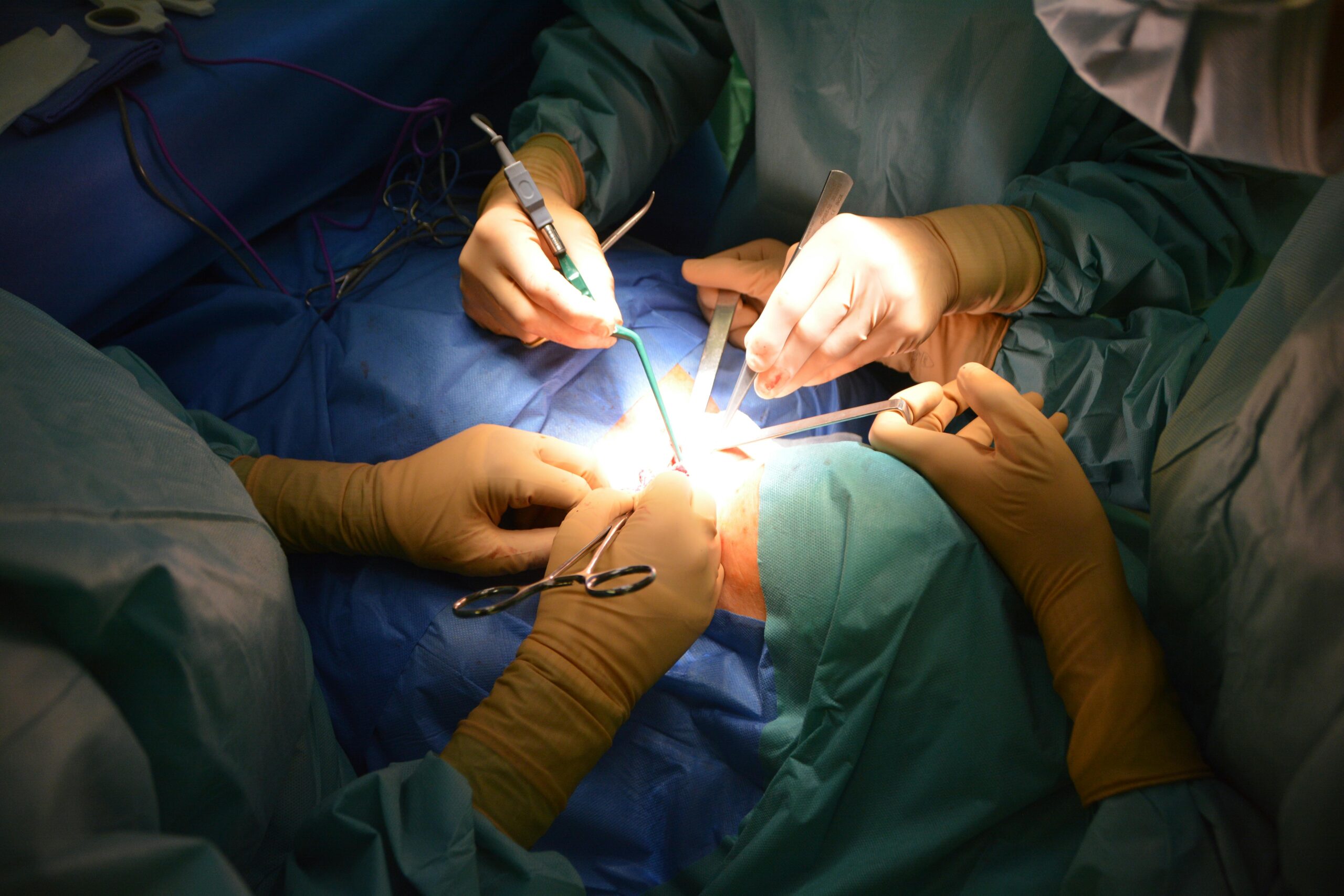
In a remarkable achievement for Indian healthcare, doctors at AIIMS Jodhpur successfully removed a massive 20.8-kilogram cancerous tumor during an 8.5-hour high-risk surgery. The operation, which is being described as one of the largest tumor removal procedures reported in India, highlights the growing capabilities of advanced surgical oncology in the country. The case has attracted attention from medical professionals and the public alike because of the tumor’s extraordinary size, the complexity of the surgery, and the coordinated efforts required to ensure a successful outcome.
Large tumor removal surgeries are among the most challenging procedures in modern medicine. They require meticulous planning, extensive diagnostic evaluation, multidisciplinary teamwork, and highly specialized surgical expertise. Cases involving giant tumors are rare, making each successful operation a significant contribution to medical knowledge and patient care.
Understanding Giant Tumors
A tumor is an abnormal growth of cells that can be either benign (non-cancerous) or malignant (cancerous). Malignant tumors have the ability to invade surrounding tissues and spread to other parts of the body. In some rare cases, tumors grow silently over several years and reach extraordinary sizes before diagnosis or treatment.
Medical literature often refers to exceptionally large growths as “giant tumors.” Such tumors can cause severe complications by compressing vital organs, restricting blood flow, affecting breathing, and impairing normal bodily functions. Patients may experience abdominal swelling, pain, difficulty eating, fatigue, weight loss, and reduced mobility.
The successful management of giant tumors requires advanced imaging technologies such as CT scans, MRI scans, and specialized laboratory investigations to determine the exact size, location, and involvement of surrounding structures.
The AIIMS Jodhpur Case
The recent surgery at AIIMS Jodhpur represents a major milestone in complex cancer treatment. According to reports, the tumor weighed approximately 20.8 kilograms, making it one of the largest surgically removed cancerous masses documented in India.
The patient reportedly suffered from symptoms caused by the enormous growth, which significantly affected quality of life. Before surgery, doctors conducted detailed assessments to understand the tumor’s relationship with nearby organs, blood vessels, and critical anatomical structures.
Removing such a large tumor is never straightforward. Surgeons must carefully separate the mass from healthy tissues while minimizing blood loss and preventing damage to essential organs. Even a small error can result in life-threatening complications.
The operation lasted approximately 8.5 hours, reflecting the extraordinary complexity of the procedure. Throughout the surgery, teams of surgeons, anesthesiologists, nurses, technicians, and critical care specialists worked together to monitor the patient’s condition and manage potential risks.
Challenges Faced During Surgery
Large tumor removal surgeries present numerous challenges:
1. Risk of Excessive Blood Loss
Giant tumors often develop extensive blood vessel networks. During surgery, controlling bleeding becomes a major priority. Advanced surgical techniques and careful planning are essential to minimize blood loss.
2. Organ Preservation
Massive tumors can displace or compress nearby organs. Surgeons must identify and preserve these structures while completely removing the tumor.
3. Prolonged Operating Time
Operations lasting several hours increase the risks associated with anesthesia, infection, and postoperative complications. Continuous monitoring is therefore crucial.
4. Postoperative Recovery
After removal of a giant tumor, the body must adapt to significant physiological changes. Intensive care support is often required during the recovery period.
5. Cancer Management
In malignant cases, surgeons aim to remove the tumor completely while ensuring that cancerous tissue is not left behind. Additional treatments such as chemotherapy, targeted therapy, or radiation therapy may be considered depending on the pathology results.
Importance of Multidisciplinary Care
Modern cancer treatment relies heavily on a multidisciplinary approach. Complex surgeries such as the one performed at AIIMS Jodhpur typically involve collaboration between:
- Surgical oncologists
- Medical oncologists
- Radiologists
- Pathologists
- Anesthesiologists
- Critical care specialists
- Oncology nurses
- Rehabilitation teams
This collaborative model improves patient outcomes and ensures comprehensive treatment planning from diagnosis through recovery.
Advances in Surgical Oncology in India
India has witnessed significant advancements in cancer care over the past two decades. Institutions such as AIIMS, Tata Memorial Hospital, and several regional cancer centers have adopted advanced surgical techniques, minimally invasive procedures, robotic-assisted surgeries, and precision oncology approaches.
Improved imaging technologies now allow surgeons to map tumors with greater accuracy before entering the operating room. Enhanced anesthesia practices and critical care services have also contributed to better outcomes in high-risk surgeries.
The successful removal of a 20.8-kg tumor demonstrates how Indian healthcare institutions are increasingly capable of handling highly complex medical cases that once required treatment abroad.
Psychological and Social Impact on Patients
Living with a giant tumor can be physically and emotionally overwhelming. Patients often face discomfort, social isolation, anxiety, and reduced quality of life. Daily activities become difficult as the tumor grows larger.
Successful surgery not only improves physical health but can also restore confidence, mobility, independence, and overall well-being. Many patients experience significant improvements in mental health following treatment.
Significance for Medical Science
Rare cases involving giant tumors provide valuable learning opportunities for healthcare professionals. Detailed documentation of such procedures helps surgeons better understand surgical strategies, risk management techniques, and postoperative care requirements.
These cases may contribute to future research, training programs, and improvements in cancer treatment protocols. They also highlight the importance of early diagnosis and timely medical intervention.
Conclusion
The successful removal of a 20.8-kilogram cancerous tumor at AIIMS Jodhpur stands as an extraordinary example of medical expertise, teamwork, and perseverance. The 8.5-hour surgery demonstrates the remarkable progress of surgical oncology in India and showcases the capabilities of modern healthcare institutions in managing some of the most challenging cases imaginable.
Beyond its technical achievement, the operation represents hope for cancer patients and reinforces the importance of advanced medical infrastructure, multidisciplinary collaboration, and early diagnosis. As cancer care continues to evolve, such landmark procedures serve as reminders of how innovation and dedication can transform lives and push the boundaries of modern medicine.