
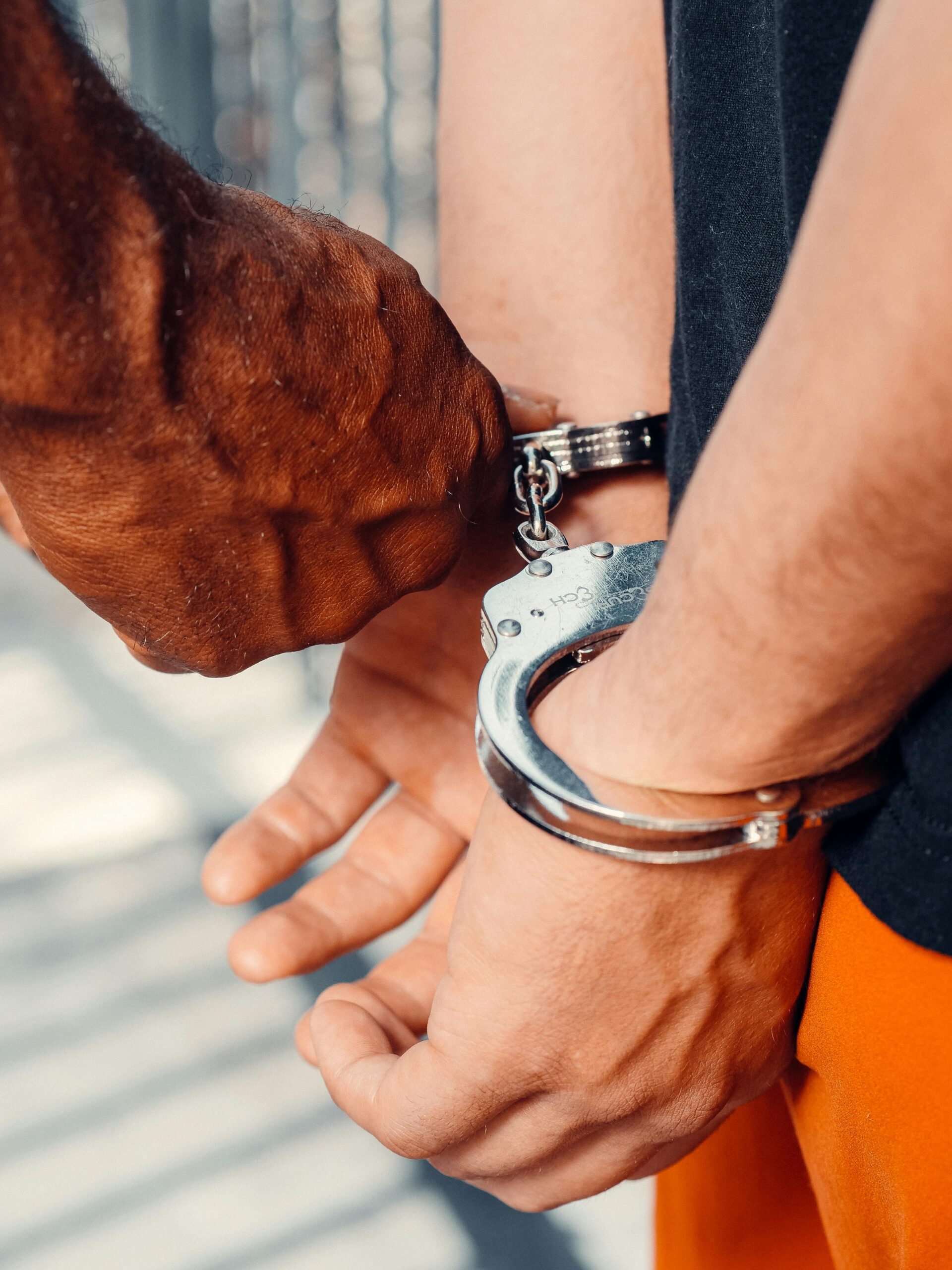
The NEET UG 2026 paper leak controversy is becoming one of the biggest education scandals in recent years, and now the investigation has taken another major turn. The Central Bureau of Investigation (CBI) has officially confirmed that 11 people have been arrested so far in connection with the alleged NEET-UG 2026 paper leak case. The arrests were made across multiple states as investigators uncovered what appears to be a large, organized network involving teachers, coaching agents, middlemen, counsellors, and exam-linked insiders. The case has triggered nationwide outrage because NEET is India’s biggest medical entrance examination, affecting more than 22 lakh students every year. The controversy began after reports emerged that a “guess paper” circulating before the May 3 NEET exam matched a large number of actual exam questions. Soon after the allegations gained attention, the National Testing Agency cancelled the exam and handed the matter over to the CBI for a full-scale investigation. (The Times of India)
One of the biggest developments came when the CBI arrested Pune-based lecturer and school headmistress Manisha Sanjay Havaldar, who is accused of leaking the Physics paper of NEET UG 2026. According to investigators, Havaldar had access to confidential exam material because she was associated with the paper-setting process through NTA-linked examination duties. Her arrest became the 11th arrest in the case and investigators believe she played a key role in leaking Physics questions before the examination. Officials claim she shared exam-related content with other accused persons connected to the leak network. (National Herald)
Before this arrest, another major accused identified as P.V. Kulkarni was arrested by the CBI. According to an official press release issued by the Government of India, Kulkarni was a Chemistry lecturer who allegedly had direct access to the NEET question paper due to his involvement in the examination process on behalf of the National Testing Agency. Investigators say he conducted special coaching sessions at his residence in Pune during the last week of April 2026, where students were allegedly dictated actual NEET questions along with answer options and correct answers. The handwritten notes prepared by students during these sessions reportedly matched the real NEET paper held on May 3. (Press Information Bureau)
The investigation has revealed that the leak network may have operated across several Indian states including Rajasthan, Maharashtra, Haryana, Kerala, Bihar, and Uttarakhand. According to reports, the Rajasthan Special Operations Group (SOG) uncovered a multi-state network involving at least 45 people connected to the paper leak operation. The network allegedly included paper solvers, impersonators, coaching counsellors, MBBS students, and middlemen who charged students huge sums of money for access to leaked questions. (The Times of India)
One of the most shocking revelations came from Rajasthan’s Sikar district. Investigators claim a career counsellor named Rakesh Kumar allegedly received a “question bank” containing around 410 questions before the exam. Reports suggest nearly 150 of those questions matched the actual NEET paper. Initially, the leaked paper was reportedly sold for around ₹5 lakh, but as the exam date approached, prices allegedly dropped to ₹30,000 per student. Authorities believe the material was circulated through WhatsApp groups and handwritten notes shared among aspirants. (The Times of India)
The CBI has also uncovered links between the leak and certain coaching institutes. Recently, the director of RCC Coaching Classes in Latur, Shivraj Motegaonkar, was arrested in connection with the case after hours of questioning by investigators. Officials are now examining whether coaching centres acted as distribution points for leaked questions or helped students gain illegal access to exam material before the examination. (DD News On Air)
Another major breakthrough came after investigators found that some NTA-appointed experts allegedly misused their access to confidential papers. Biology expert Manisha Gurunath Mandhare, another accused linked to the paper-setting process, was arrested after investigators alleged that she leaked Botany and Biology-related questions. She was later sent to 14-day CBI custody as investigators continued questioning her about possible links with the larger network. (The New Indian Express)
The investigation has further exposed the financial side of the scandal. According to reports, one man from Rajasthan allegedly paid ₹10 lakh to access the leaked NEET paper for his son. Despite this, the student reportedly scored only 107 marks out of 720, a detail that quickly went viral online and sparked discussions about the inefficiency and desperation within the cheating racket. (The Economic Times)
Meanwhile, the CBI is continuing raids and digital investigations across the country. Officials are reportedly tracking Telegram groups, leaked PDF files, handwritten notes, financial transactions, and mobile phone records linked to the accused. Multiple electronic devices, laptops, and mobile phones have already been seized for forensic examination. The agency believes the leak operation was highly organized and involved careful planning weeks before the exam date. (Press Information Bureau)
The controversy has also created a political storm in India. Opposition parties have accused the government and the National Testing Agency of failing to protect the integrity of one of the country’s most important examinations. Students across India are expressing anger and frustration because they now have to reappear for the exam despite months of preparation and stress. Social media platforms are flooded with demands for stricter action against the accused and complete reforms in India’s examination system. Experts believe the scandal has damaged public trust in competitive exams and exposed serious loopholes in exam security and paper handling systems.
At the same time, NTA officials continue to maintain that the exam was not leaked “through the NTA system.” NTA DG Abhishek Singh recently told a Parliamentary Committee that while some questions did surface outside, it should not be considered a “full paper leak.” However, critics argue that even partial leaks are enough to destroy fairness in an exam where even one mark can change a student’s rank by thousands. (The Times of India)
As the probe continues, more arrests are expected in the coming days. The CBI has indicated that the investigation is still expanding and authorities are trying to identify every individual involved in the leak network, from paper sources to middlemen and beneficiaries. For lakhs of students preparing for the NEET re-exam, the scandal has become not just an exam controversy, but a major question about trust, transparency, and the future of India’s competitive examination system.