Studying MBBS abroad has become a popular option for Indian students, but in 2026, visa and travel rules have become stricter and more structured. Governments across different countries are now focusing on selecting serious students with proper financial backing and academic intent. Because of this, understanding the latest visa and travel requirements is extremely important before planning your MBBS journey.
The entire process includes multiple steps such as admission, documentation, visa approval, and final travel preparation. A small mistake at any stage can delay or even cancel your admission. This article explains the latest visa rules, required documents, and travel guidelines every MBBS aspirant must know.
Latest Visa Rules for 2026 (Important Changes)
In 2026, many countries introduced stricter visa policies for international students. According to recent updates, students must now meet higher financial proof requirements, stronger academic credibility, and stricter English language criteria.
This means:
- You must show enough funds to cover tuition + living expenses
- Dependence on part-time jobs is discouraged
- Higher IELTS/PTE scores may be required in some countries
These changes were introduced to ensure that only serious and financially stable students go abroad for education.
Mandatory Eligibility Before Visa
Before applying for a visa, Indian students must fulfill some basic conditions:
- NEET qualification is compulsory if you want to practice in India later
- Minimum 50% marks in PCB (Physics, Chemistry, Biology)
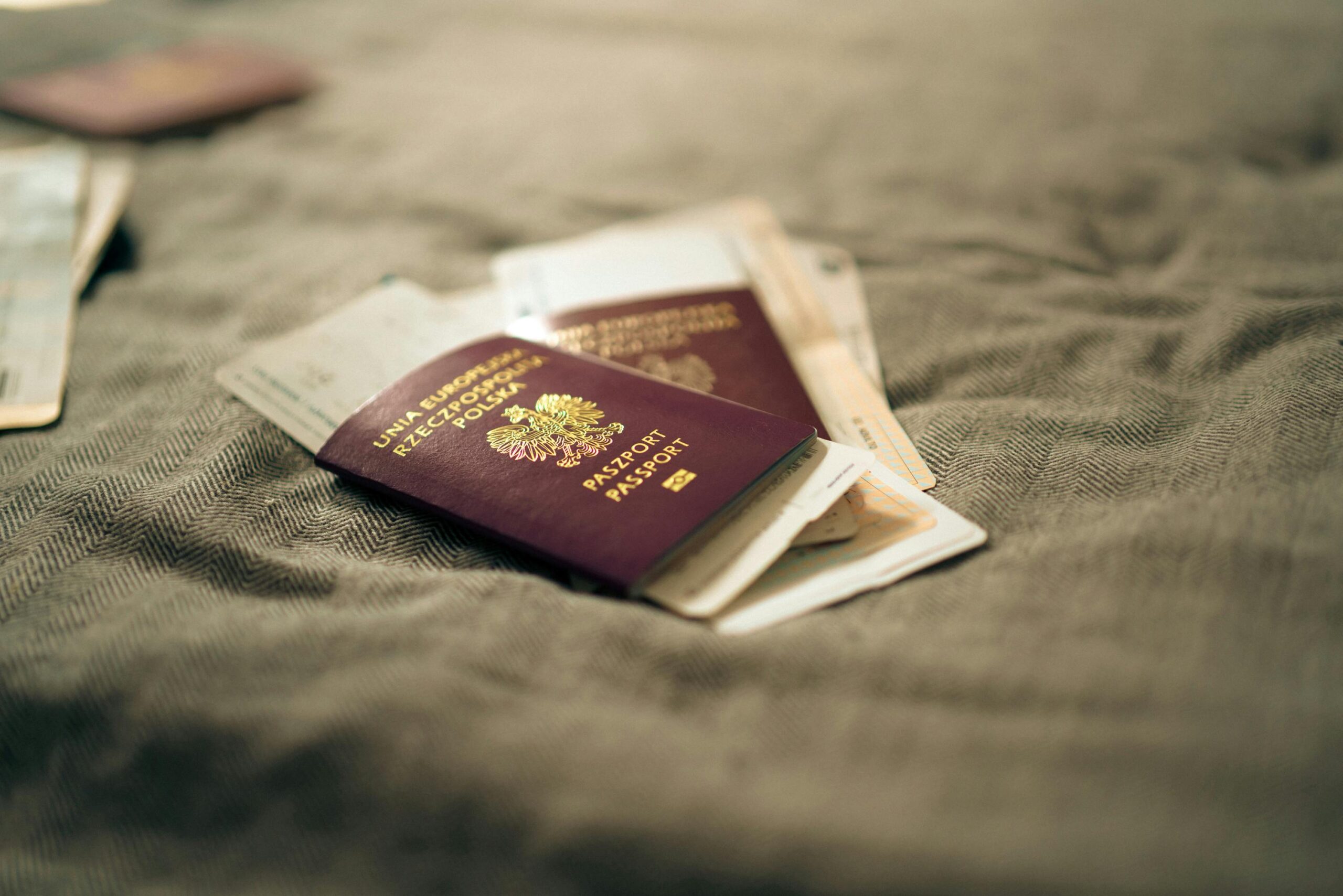
- Valid passport
- Admission letter from a recognized medical university
Without NEET, your MBBS degree may become invalid in India, even if you complete it abroad.
Documents Required for Student Visa (2026)
Visa approval depends heavily on proper documentation. The most common required documents include:
- Valid passport (minimum 6–18 months validity)
- University admission/invitation letter
- 10th and 12th mark sheets
- NEET scorecard
- Passport-size photographs
- Medical fitness certificate (HIV test, X-ray, etc.)
- Bank statements (proof of funds)
- Sponsor affidavit and income proof
- Police clearance certificate (in some countries)
- Travel insurance
- Visa application form
Even a single missing document can lead to visa rejection, so accuracy is very important.
Financial Proof (Most Important Rule)
One of the biggest changes in 2026 is related to financial proof. Students must show that they can afford:
- Full tuition fees
- Living expenses for at least 1 year
- Travel and insurance costs
Countries have increased the minimum balance requirement in bank accounts.
This is done to ensure students do not face financial problems after reaching abroad.
Visa Processing Time & Approval
Visa processing usually takes 2 to 6 weeks, depending on the country and application quality.
Some countries like:
- Russia
- Georgia
- Kazakhstan
have relatively simple and faster visa processes for Indian students.
However, delays can happen if:
- Documents are incomplete
- Financial proof is weak
- Interview performance is poor
Interview & Verification Process
In some countries, students must attend a visa interview. During this:
- You may be asked about your course and university
- You must explain why you chose that country
- Your financial background may be verified
Authorities want to confirm that you are a genuine student, not someone going abroad for illegal work.
Travel Rules After Visa Approval
Once your visa is approved, the next step is travel preparation. Important travel rules include:
- Book flight tickets only after visa approval
- Carry all original documents while traveling
- Reach the country before the academic session starts
- Follow immigration rules strictly
At the airport, immigration officers may ask for:
- Admission letter
- Passport and visa
- Proof of accommodation
So always keep documents easily accessible.
Health & Safety Requirements
Many countries require basic medical checks before entry. This may include:
- HIV test
- Chest X-ray
- General medical fitness certificate
Travel insurance is also mandatory in many countries to cover medical emergencies.
Common Reasons for Visa Rejection
Understanding mistakes is as important as knowing rules. Common reasons for rejection include:
- Incomplete or fake documents
- Insufficient financial proof
- Low academic credibility
- Poor interview performance
- Applying to unrecognized universities
To avoid rejection, always apply through official channels and verify all information.
Important Tips for MBBS Students
- Apply for visa immediately after receiving admission letter
- Keep multiple copies of all documents
- Avoid agents making fake promises
- Check embassy website for latest updates
- Choose NMC-approved universities only
Proper planning can make your entire process smooth and stress-free.
Final Conclusion
The visa and travel process for MBBS abroad in 2026 has become more strict, structured, and transparent. Governments now expect students to be academically prepared, financially stable, and serious about their education. While these rules may seem challenging, they are designed to protect students and ensure quality education abroad.
For aspiring medical students, the key is simple: follow official guidelines, prepare documents carefully, and plan everything in advance. If done correctly, studying MBBS abroad can still be a great opportunity with global exposure and career growth.